May 11 – 14, 2026 | Education May 12 – 14, 2026 | Exhibits Detroit, MI | Huntington Place
Keynotes
Sponsored by: 
New for 2026, XPONENTIAL introduces a single Monday evening keynight! Kick off the week with a focused session that sets the tone for the days ahead, followed by a reception open to all attendees.
All times in Eastern Daylight Time
Schedule-at-a-Glance
| Date | Time | Description |
| Monday, May 11, 2026 | 4:00–5:00 PM | Built on Grit. Driven by Innovation. |
| 5:00–6:00 PM | Evening Keynote Reception Open to all attendees |
|
| Tuesday, May 12, 2026 | 9:00–10:15 AM | Built to Lead. Driving Towards Impact. |
| Wednesday, May 13, 2026 | 9:00–10:15 AM | Engineering a Resilient Future. |
| Thursday, May 14, 2026 | 9:15–10:00 AM | Building for Integration. |
NEW! Keynight - Monday, May 11, 2026

State Official
Forged in Detroit: Industry, Innovations, and Resilience
Fireside Chat
This discussion traces the historical arc from Detroit’s industrial revolution and World War II mobilization to today’s autonomy movement highlighting how supply chains, manufacturing capacity, and industrial policy remain foundational to resilience, innovation, and national competitiveness.

Arthur Herman
New York Times Bestselling Author & Historian

The Honorable Michael Cadenazzi
Assistant Secretary of War for Industrial Base Policy | Office of the Secretary of War

Michael Robbins
President & CEO | AUVSI
5:00 PM - Monday Evening Keynote Networking Reception (open to all attendees)
Tuesday, May 12, 2026
Community Address
The Community Address grounds the audience in AUVSI’s mission, outlines what matters most in the year ahead, and issues clear calls to action for industry, government, and partners as autonomy scales globally.
Michael Robbins
President & CEO | AUVSI
Federal Regulatory Voice on Autonomy
Senior leaders will offer perspectives on the evolving regulatory environment for drones and advanced air mobility, with a focus on safety, integration, and enabling innovation at scale.
Speakers to be announced
Industrial Base Leadership
Building on the historical context introduced in Monday’s opening fireside, Assistant Secretary Cadenazzi will deliver remarks on the state of the U.S. industrial base, examining supply chain resilience, production readiness, and the policies required to support autonomy, defense, and national competitiveness in an increasingly contested global environment.
The Honorable Michael Cadenazzi
Assistant Secretary of War for Industrial Base Policy | Office of the Secretary of War
Wednesday, May 13, 2026
Scaling What Works: From Breakthrough to Deployment
A candid look at what it takes to move advanced technologies into the field at speed. This keynote will address the realities shaping today’s innovation pipeline, from supply chain fragility and commercial-first acquisition to the execution-focused partnerships required to sustain multidomain drone dominance. This session sets a pragmatic tone for how the U.S. can scale capability, not just invent it.
Travis Metz
Deputy Director and Chief Operating Officer, Defense Innovation Unit
From Strategy to Steel: Securing the Technologies that Power Autonomy
Autonomous systems are becoming foundational to commercial logistics, energy, manufacturing, and defense. But the technologies that power them, like semiconductors, rare earth elements, advanced materials, sit inside globally fragile supply chains. In an era of strategic competition, resilience is no longer optional.
This keynote conversation brings together geopolitical insight, national security strategy, and industrial execution to examine how we can secure the technologies that power autonomy and what industry leaders must do now to reduce risk, accelerate domestic capacity, and build durable advantage.

Chris Miller
Author, Chip War; Professor of International History, Tufts University; Nonresident Senior Fellow, American Enterprise Institute
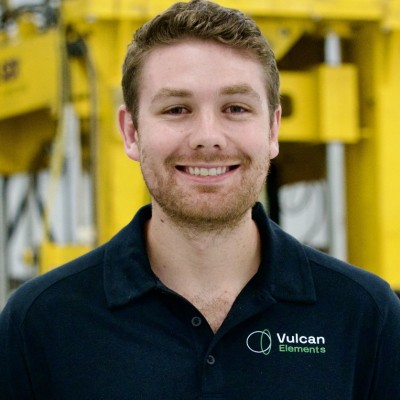
John Maslin
Chief Executive Officer, Vulcan Elements

Sarah Stewart
Chief Executive Officer & Executive Director, Silverado Policy Accelerator
Airspace Under Pressure: Scaling Counter-UAS for Real-World Security Environments
Drone threats are evolving rapidly and so are the systems designed to counter them. The challenge now is keeping pace at scale.
This panel brings together senior national and homeland security leaders in government and industry expertise to examine how policy, procurement, operations, and proven technology are aligning to move counter-UAS from capability to coordinated, real-world deployment. This group will focus on what it takes to integrate layered defenses, operate across jurisdictions, and deliver trusted, capable, and affordable solutions as demand accelerates.
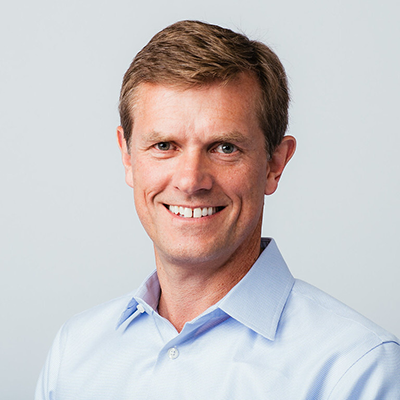
Eben Frankenberg
Chief Executive Officer, Echodyne
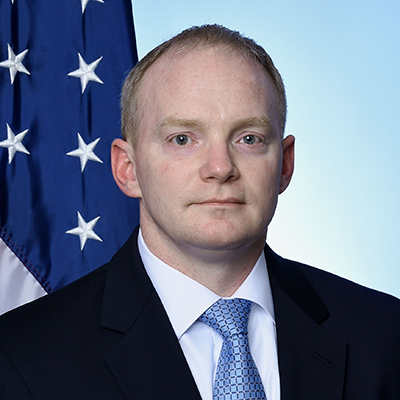
Matt Whitehead
Director for Emerging and Catastrophic Threats, National Security Council, Counterterrorism
Thursday, May 14, 2026
Automation with Intent
As robotics and automation move from pilots to large-scale deployment, the question is no longer whether we can automate, but what we should automate, and why. Drawing on real-world research and factory deployments, this keynote explores how intentional design choices shape the impact of robotics on workers, productivity, and long-term competitiveness.
Focusing on labor, manufacturing, and human–machine collaboration, this conversation examines which jobs are societally desirable to automate, where robotics can meaningfully augment human work, and how industry partnerships are generating practical insights from the factory floor. For a city built on manufacturing, this session offers a clear-eyed look at how automation can strengthen, not hollow out, the future of work.

Dr. Kate Darling
Leading Expert in Social Robotics & Author
From Competition to Deployment: The Talent Pipeline Powering Autonomy
As autonomy scales, the limiting factor is no longer technology, it is talent. Across the country, students are already designing, building, and operating autonomous systems through hands-on competitions that mirror real-world conditions across air, ground, and maritime domains.
This session explores how experiential education is shaping a workforce capable of integrating and deploying complex systems at scale. From coastal environments like Florida to emerging hubs like Miami, connecting education, industry, and real-world application is becoming essential to long-term competitiveness.
As we look ahead to XPONENTIAL 2027 in Miami, this conversation highlights how communities can invest in talent pipelines that are not only prepared for the future, but actively building it today.
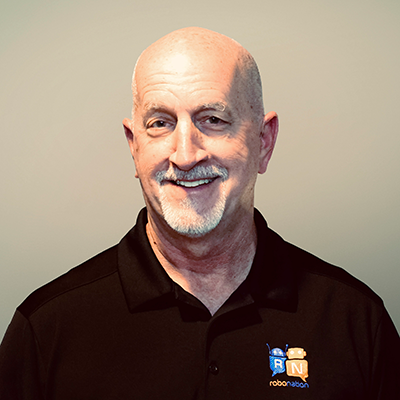
Daryl Davidson
President & CEO, RoboNation
Thank You to Our 2026 Sponsors + Partners


